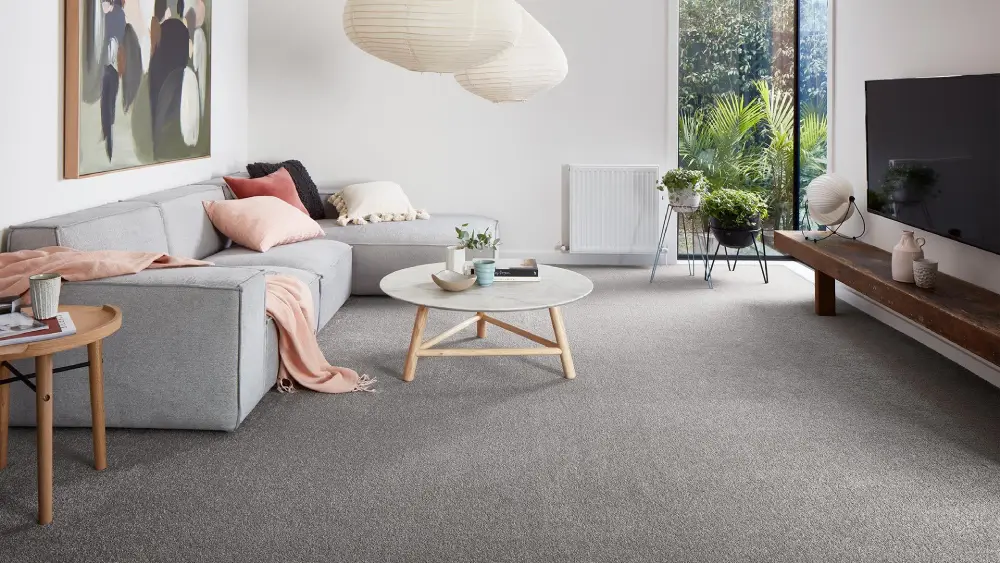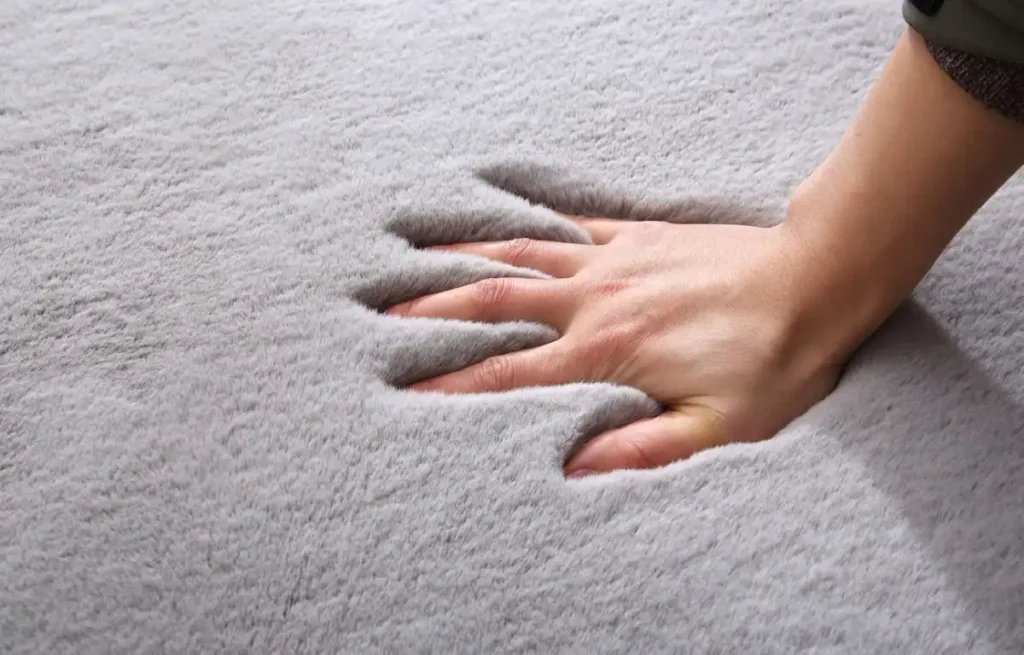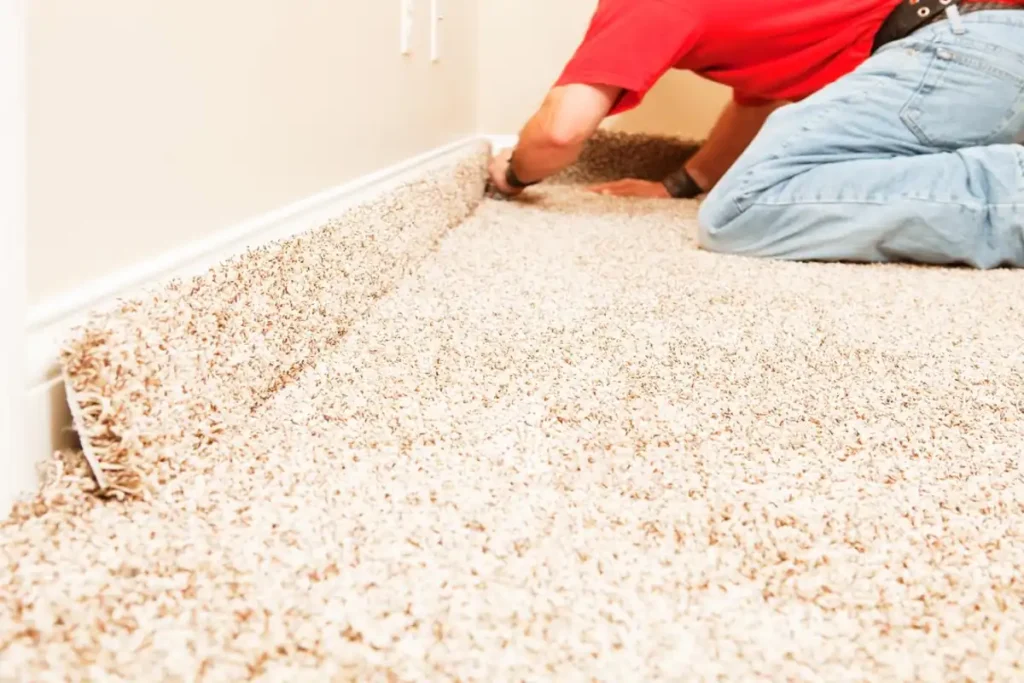
Wall to wall carpet installation is one of the best ways to make your home, office, hotel, or apartment more comfortable, stylish, and quiet. In modern interior design, homeowners prefer full floor carpets because they provide warmth, sound insulation, and a luxurious appearance. Proper carpet installation is very important because poor fitting can cause wrinkles, bumps, loose edges, and early carpet damage. Experts recommend preparing the subfloor carefully, using quality carpet padding, and stretching the carpet correctly for long-lasting results.
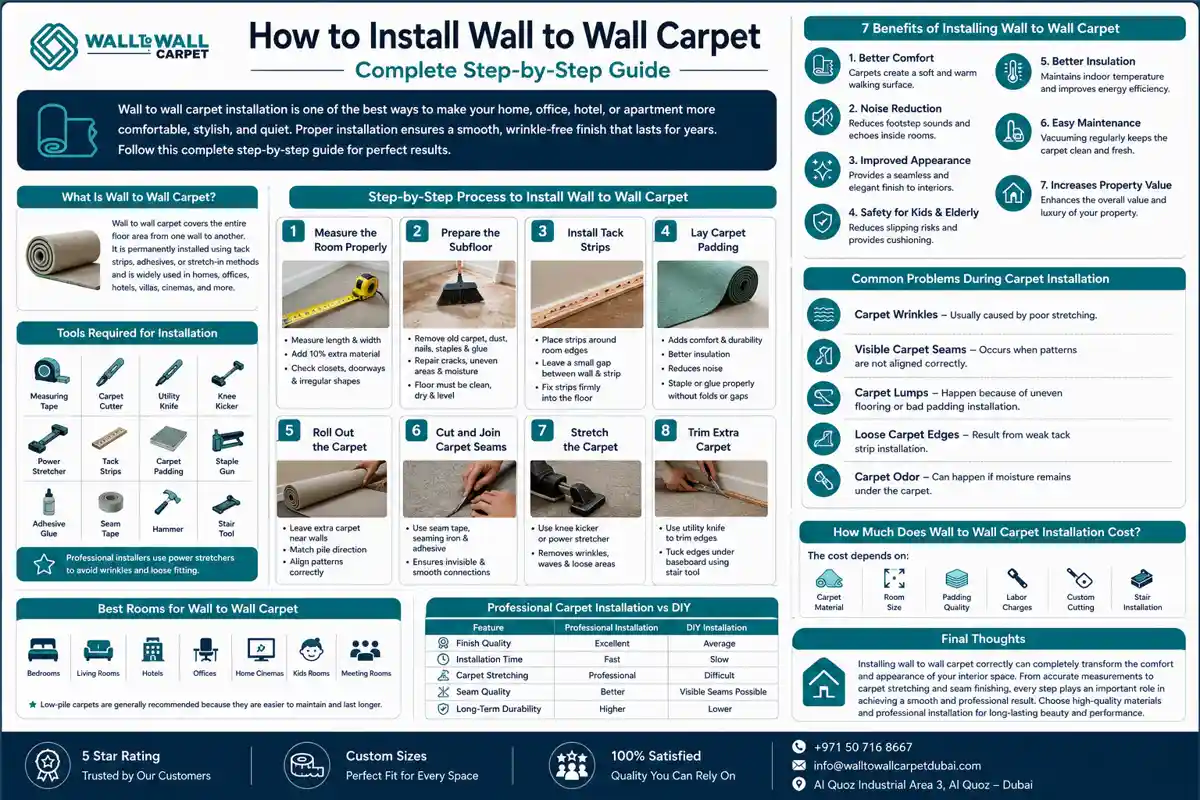
What Is Wall to Wall Carpet?
Wall to wall carpet is a type of flooring that completely covers the entire floor area from one wall to another. Unlike area rugs, this carpet is permanently installed using tack strips, adhesives, or stretch-in methods. It is widely used in bedrooms, offices, hotels, villas, cinemas, and commercial spaces because of its soft texture and premium finish.
Benefits of Installing Wall to Wall Carpet
1. Better Comfort
Carpets create a soft and warm walking surface, especially during winter or in air-conditioned rooms.
2. Noise Reduction
Wall to wall carpeting helps reduce footstep sounds and echoes inside rooms. This is why hotels and offices commonly use carpets.
3. Improved Interior Appearance
A professionally installed carpet gives a seamless and elegant finish that enhances interior design.
4. Safety for Kids & Elderly
Carpets reduce slipping risks and provide cushioning against falls.
5. Better Insulation
Full floor carpets help maintain indoor temperature and improve energy efficiency.
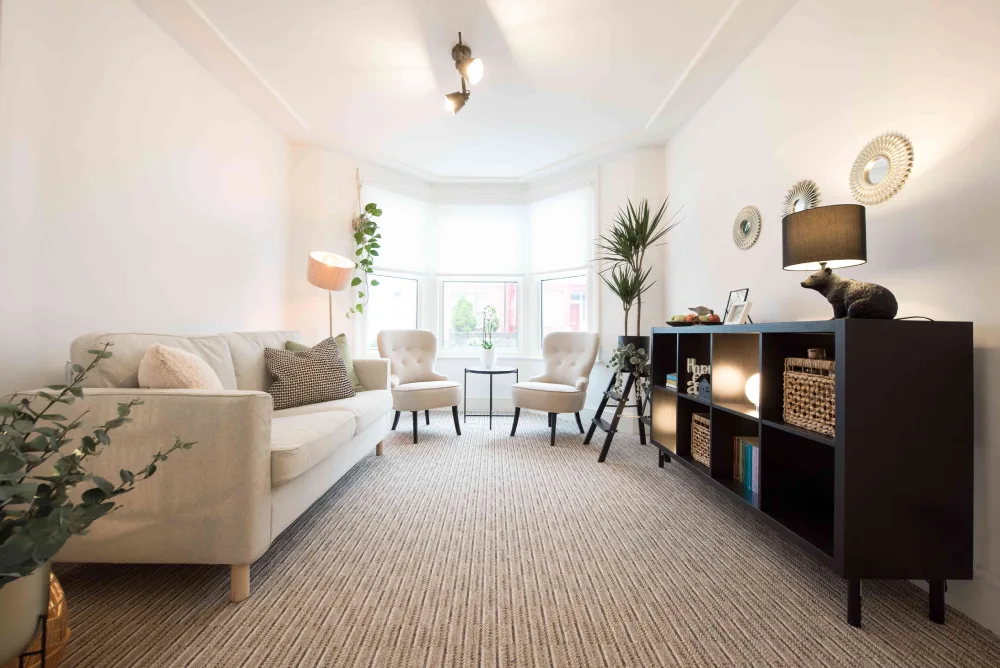
Tools Required for Carpet Installation
Before starting carpet installation, prepare these important tools:
- Measuring tape
- Carpet cutter
- Utility knife
- Knee kicker
- Power stretcher
- Tack strips
- Carpet padding
- Staple gun
- Adhesive glue
- Seam tape
- Hammer
- Stair tool
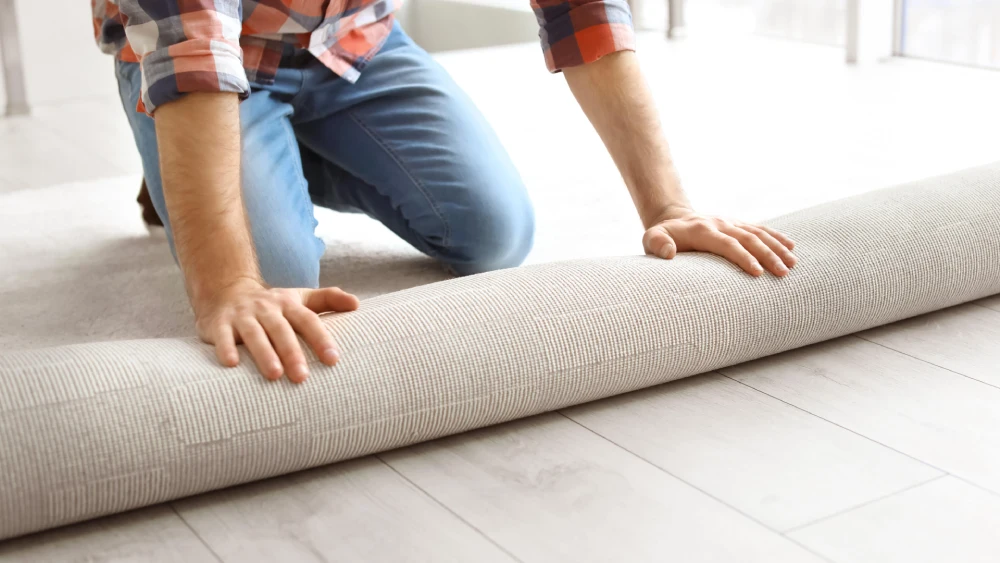
Professional installers often use power stretchers to avoid wrinkles and loose fitting.
Step-by-Step Process to Install Wall to Wall Carpet
Step 1 – Measure the Room Properly
The first step is accurate room measurement. Measure the length and width of the room carefully and add extra inches for cutting adjustments and seams.
Experts recommend adding around 10% extra carpet material to avoid shortage during installation.
Tips:
- Measure closets and corners separately
- Check doorways and irregular wall shapes
- Plan carpet seam direction carefully
Step 2 – Prepare the Subfloor
Subfloor preparation is extremely important for smooth carpet installation.
Remove:
- Old carpet
- Dust
- Nails
- Staples
- Adhesive residue
Repair:
- Cracks
- Uneven surfaces
- Moisture problems
The floor must be dry, clean, and level before installing carpet. Uneven flooring can create bumps and shorten carpet life.
Step 3 – Install Tack Strips
Tack strips are thin wooden strips with small nails used to hold the carpet tightly.
Installation Tips:
- Place tack strips around room edges
- Leave a small gap between wall and strip
- Fix strips firmly into the floor
This method keeps the carpet stretched and wrinkle-free.
Step 4 – Lay Carpet Padding
Carpet padding is installed underneath the carpet for extra comfort and durability.
Benefits of Carpet Padding:
- Soft walking feel
- Better insulation
- Increased carpet lifespan
- Noise reduction
Staple or glue the underlay properly and make sure there are no folds or air gaps.
Step 5 – Roll Out the Carpet
Now place the carpet over the padding and spread it across the room carefully.
Important Tips:
- Leave extra carpet near walls
- Match carpet pile direction
- Align patterns correctly
Improper alignment can make the carpet look uneven after installation.
Step 6 – Cut and Join Carpet Seams
Large rooms may require joining multiple carpet pieces together.
Use:
- Seam tape
- Seaming iron
- Carpet adhesive
Professional seam finishing creates an invisible and smooth connection between carpet sections.
Step 7 – Stretch the Carpet
This is one of the most important steps.
Installers use:
- Knee kicker
- Power stretcher
Stretching removes wrinkles, waves, and loose areas from the carpet surface. Poor stretching can damage the carpet appearance over time.
Step 8 – Trim Extra Carpet
Common Problems During Carpet Installation
Carpet Wrinkles
Usually caused by poor stretching.
Visible Carpet Seams
Occurs when patterns are not aligned correctly.
Carpet Lumps
Happen because of uneven flooring or bad padding installation.
Loose Carpet Edges
Result from weak tack strip installation.
Carpet Odor
Can happen if moisture remains under the carpet.
Best Rooms for Wall to Wall Carpet
According to interior design experts, wall to wall carpet works best in:
- Bedrooms
- Living rooms
- Hotels
- Offices
- Home cinemas
- Kids rooms
- Meeting rooms
Low-pile carpets are generally recommended because they are easier to maintain and last longer.
Professional Carpet Installation vs DIY
|
Feature |
Professional Installation |
DIY Installation |
|
Finish Quality |
Excellent |
متوسط |
|
Installation Time |
Fast |
Slow |
|
Carpet Stretching |
Professional |
Difficult |
|
Seam Quality |
Better |
Visible Seams Possible |
|
Long-Term Durability |
Higher |
Lower |
For luxury homes and commercial projects, professional carpet fitting is usually recommended.
How Much Does Wall to Wall Carpet Installation Cost?
Carpet installation cost depends on:
- Carpet material
- Room size
- Padding quality
- Labor charges
- Custom cutting
- Stair installation
Premium wool carpets cost more than synthetic carpets because of their durability and luxury finish.
Final Thoughts
Installing wall to wall carpet correctly can completely transform the comfort and appearance of your interior space. From accurate measurements to carpet stretching and seam finishing, every step plays an important role in achieving a smooth and professional result. Whether you are installing carpet in a bedroom, office, hotel, or villa, proper installation improves durability, safety, insulation, and overall aesthetics.
If you want the best results, always choose high-quality carpet materials, proper underlay, and professional installation techniques.
FAQs
How long does wall to wall carpet installation take?
Most standard rooms can be completed within one day.
Can carpet be installed over tiles?
Yes, if the tile surface is smooth and level.
Which carpet is best for Dubai homes?
Low-pile and stain-resistant carpets are ideal for Dubai weather.
Do I need carpet padding?
Yes, carpet padding improves comfort and extends carpet life.
Why does carpet become loose after installation?
Improper stretching is the main reason for loose carpet.